Welcome to
Dr. Chen Lean Seng
MD (FMSMU) · MRCP (UK) · Fellowship in Cardiology · Fellowship in Structural Heart Disease Intervention
A healthier heart starts here. Dr. Chen specialises in advanced, minimally invasive cardiac procedures — bringing world-class expertise to every patient at Northern Heart Hospital, Penang.

Experience

Dr. Chen Lean Seng
Dr. Chen is a distinguished Malaysian cardiologist and internal medicine specialist with over a decade of expertise. He graduated with a Gold Medal from I.M. Sechenov First Moscow State Medical University, earned the prestigious MRCP (UK), and completed dual Fellowships in Cardiology and Structural Heart Disease Intervention at Ramathibodi Hospital, Mahidol University — one of Asia's premier cardiac centres.
We believe in a holistic, patient-first approach to heart care. By understanding how each condition affects your quality of life, Dr. Chen tailors every treatment plan using the most advanced minimally invasive techniques available today.
Using state-of-the-art diagnostic tools including CT coronary angiography, echocardiography, and AI-assisted imaging, Dr. Chen identifies heart disease early and develops comprehensive, personalised treatment plans.
Dr. Chen Explains — In His Own Words
Watch Dr. Chen walk through the most important things every patient should know about heart disease — from diagnosis to treatment options.
Meet Dr. Chen — Structural Heart Disease Specialist
In this first episode, Dr. Chen introduces himself and explains his subspecialty — structural heart disease intervention. He explains how the heart is made up of several key structures: blood vessels that supply the heart muscle, and valves that act like doors controlling blood flow.
Unlike general cardiologists, Dr. Chen's expertise lies in treating structural heart conditions using transcatheter methods — minimally invasive techniques that do not require open-heart surgery.
How the Heart Works — Understanding Your Heart Valves
Dr. Chen uses a simple analogy — the heart is like a house, and every part matters equally. The heart muscle is powered by the coronary arteries, while the heart valves ensure blood flows in one direction only.
When a valve becomes diseased — either too narrow or too leaky — the heart must work much harder to compensate. Over time, this leads to heart failure. Dr. Chen explains why comprehensive screening of all heart structures is essential.
The Silent Threat — Why Valve Disease Goes Undetected
One of the most important things Dr. Chen explains is how structural heart disease often remains completely silent until it reaches an advanced stage. Patients with mild valve leakage or narrowing may feel entirely well — yet the disease is quietly progressing.
By the time symptoms appear, surgery is often already required. Early screening and detection is critical — especially for conditions like Atrial Septal Defect (ASD), which can go undiagnosed until age 40 or 50.
Warning Signs — 4 Symptoms You Must Never Ignore
Dr. Chen identifies the four cardinal symptoms that may indicate any form of serious heart disease — whether coronary, structural, or otherwise. These symptoms should prompt an immediate cardiac consultation, not watchful waiting.
He also highlights the importance of knowing your family history. Some structural heart conditions — such as mitral valve prolapse and bicuspid valve — have a genetic component, meaning family members may need to be screened earlier.
Modern Treatment — Minimally Invasive Options Available Today
In this final episode, Dr. Chen summarises the current treatment landscape for structural heart disease. While surgical treatment remains the gold standard for most patients, minimally invasive transcatheter procedures are now a well-established, evidence-based alternative for high-risk individuals.
He highlights two of the most impactful procedures available today — TAVI (Transcatheter Aortic Valve Implantation) and TriClip (Transcatheter Tricuspid Repair) — and explains the key diagnostic role of echocardiography in the assessment pathway.
Conditions Dr. Chen Diagnoses & Treats
A comprehensive cardiac assessment evaluates your heart muscle, valves, blood vessels, and rhythm — enabling early detection and targeted, evidence-based treatment.
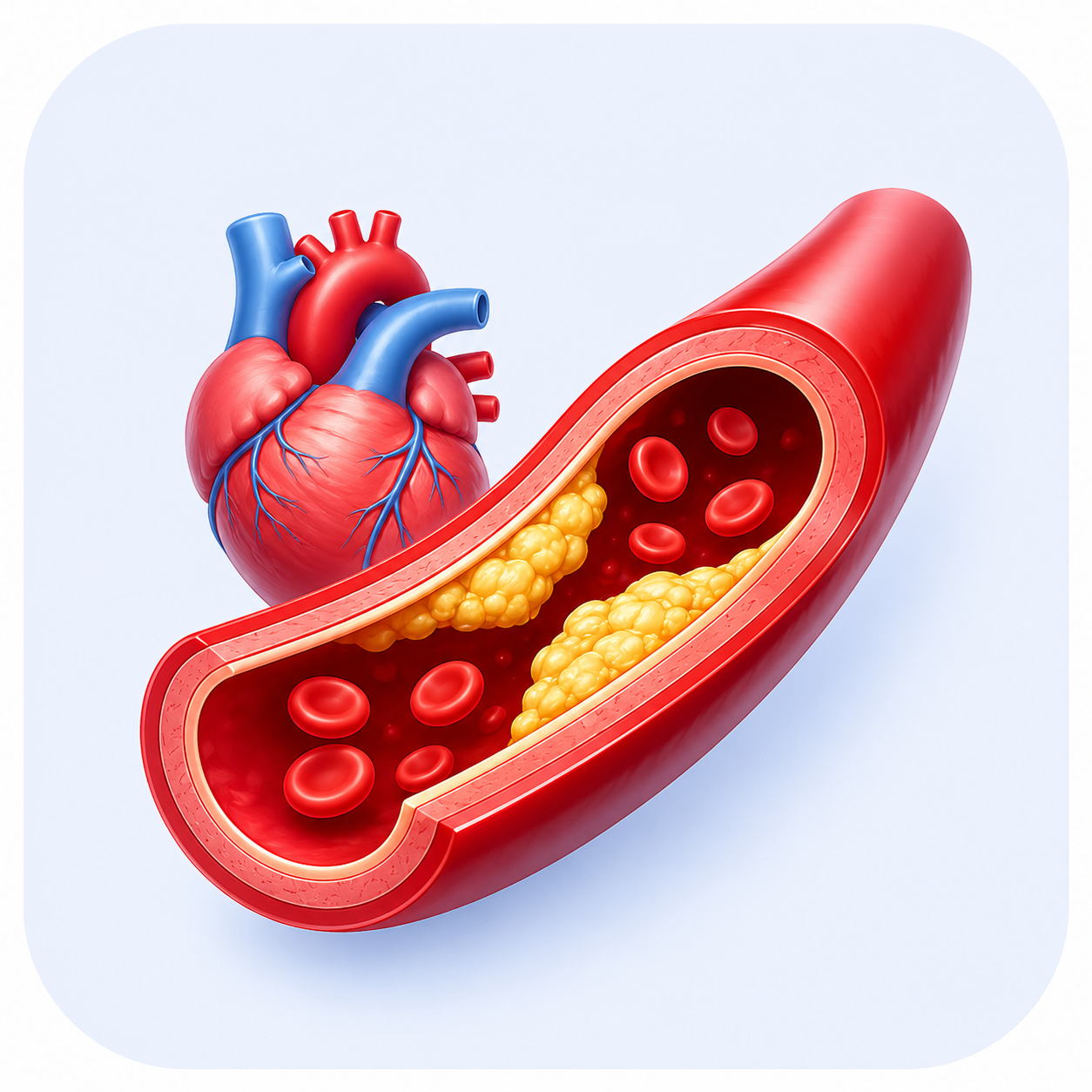
Fatty deposits narrow the arteries supplying your heart, causing chest pain, breathlessness, or increasing your risk of a heart attack.
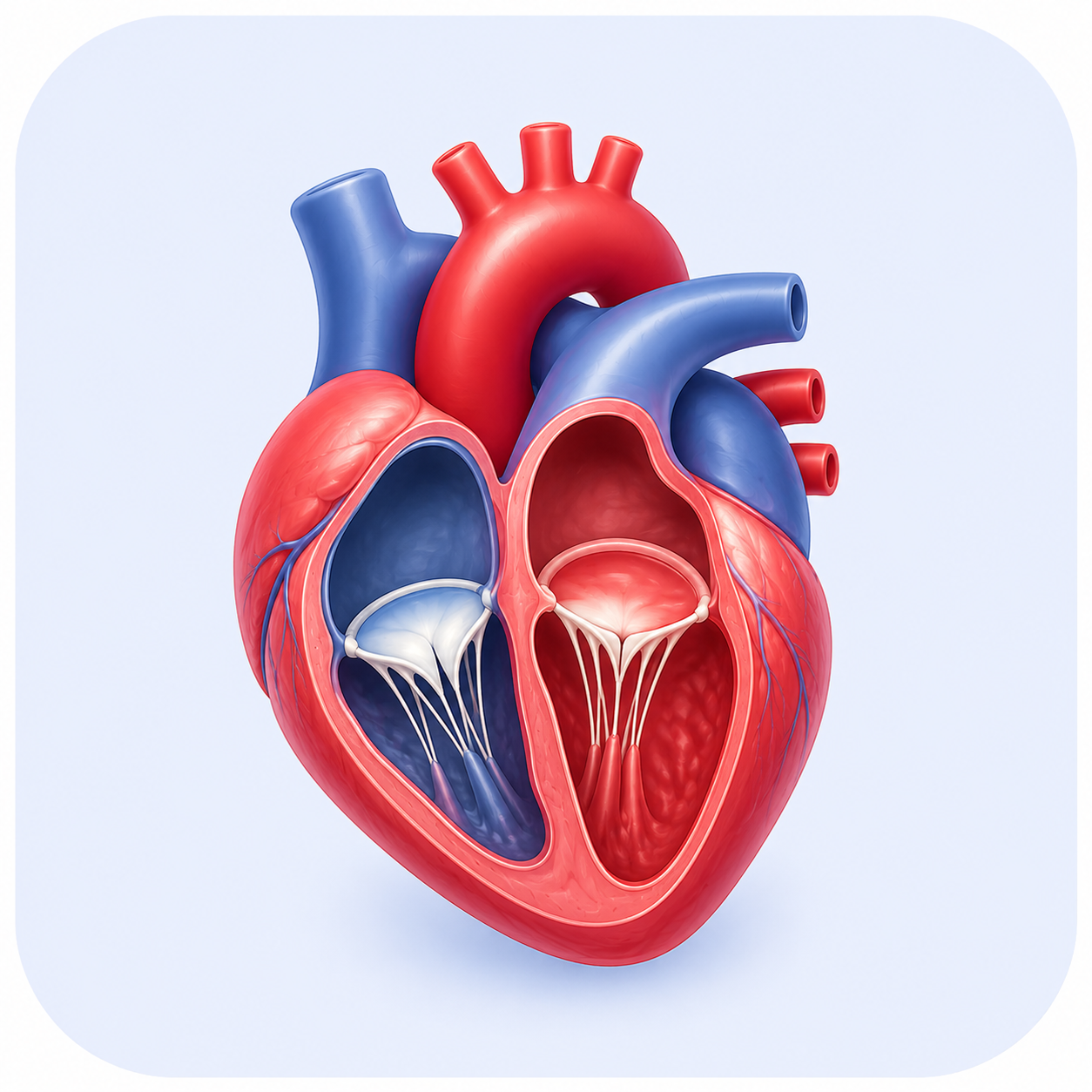
Valves that are too stiff (stenosis) or leaking (regurgitation) force the heart to work harder, leading to serious complications over time.
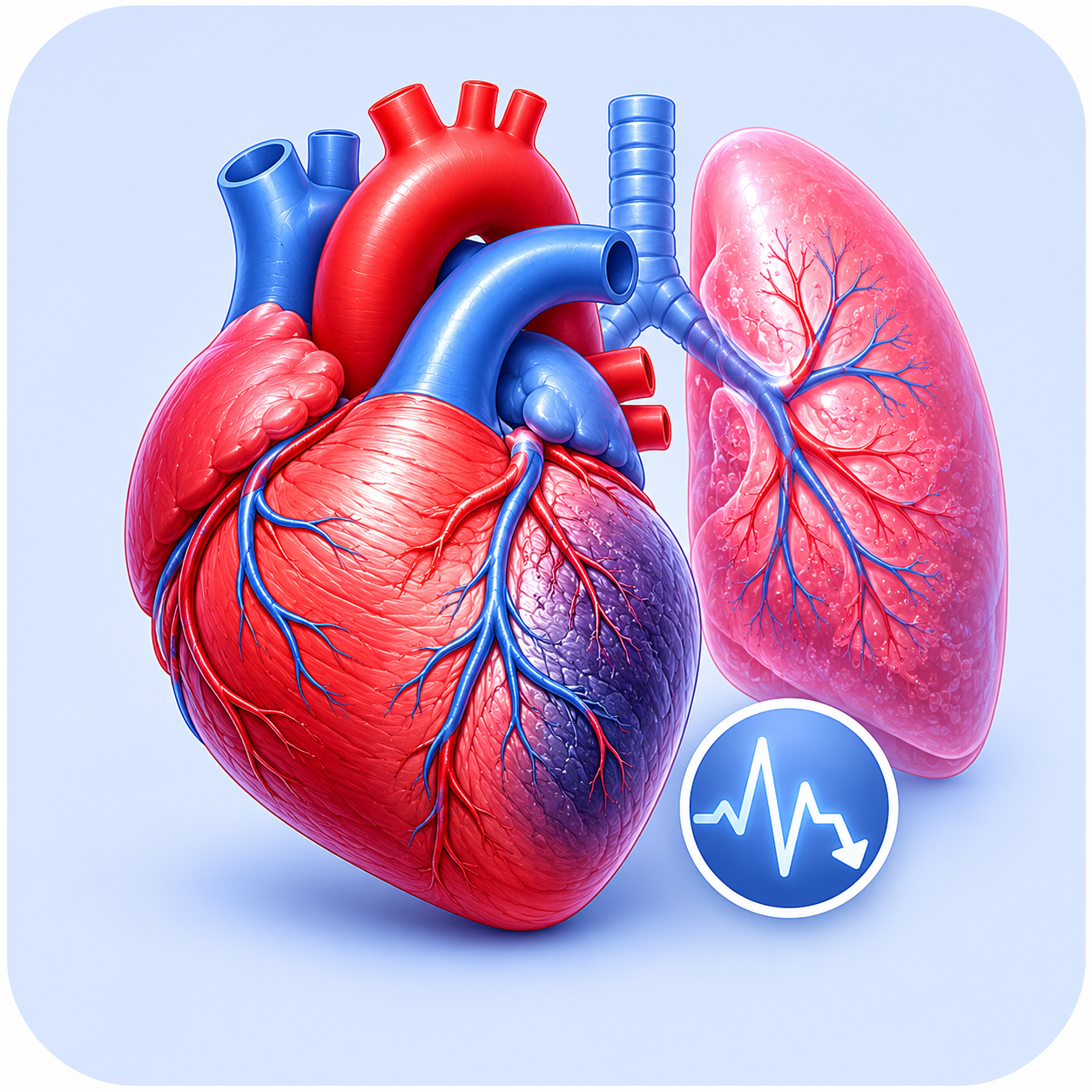
When the heart cannot pump efficiently, symptoms like fatigue, leg swelling, and breathlessness on minimal exertion can appear.
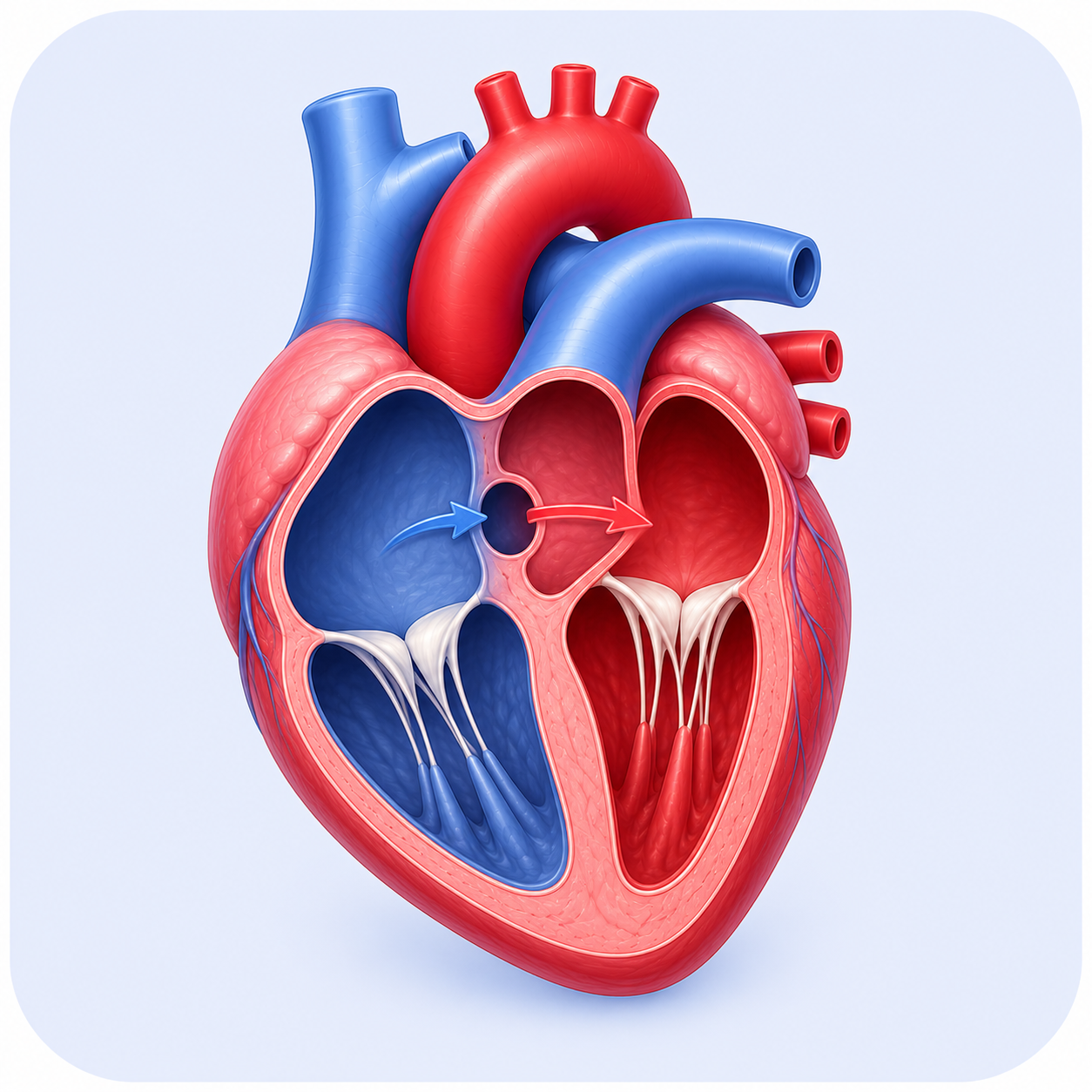
An opening between the two upper chambers that may cause palpitations, fatigue, or increase stroke risk if left untreated.
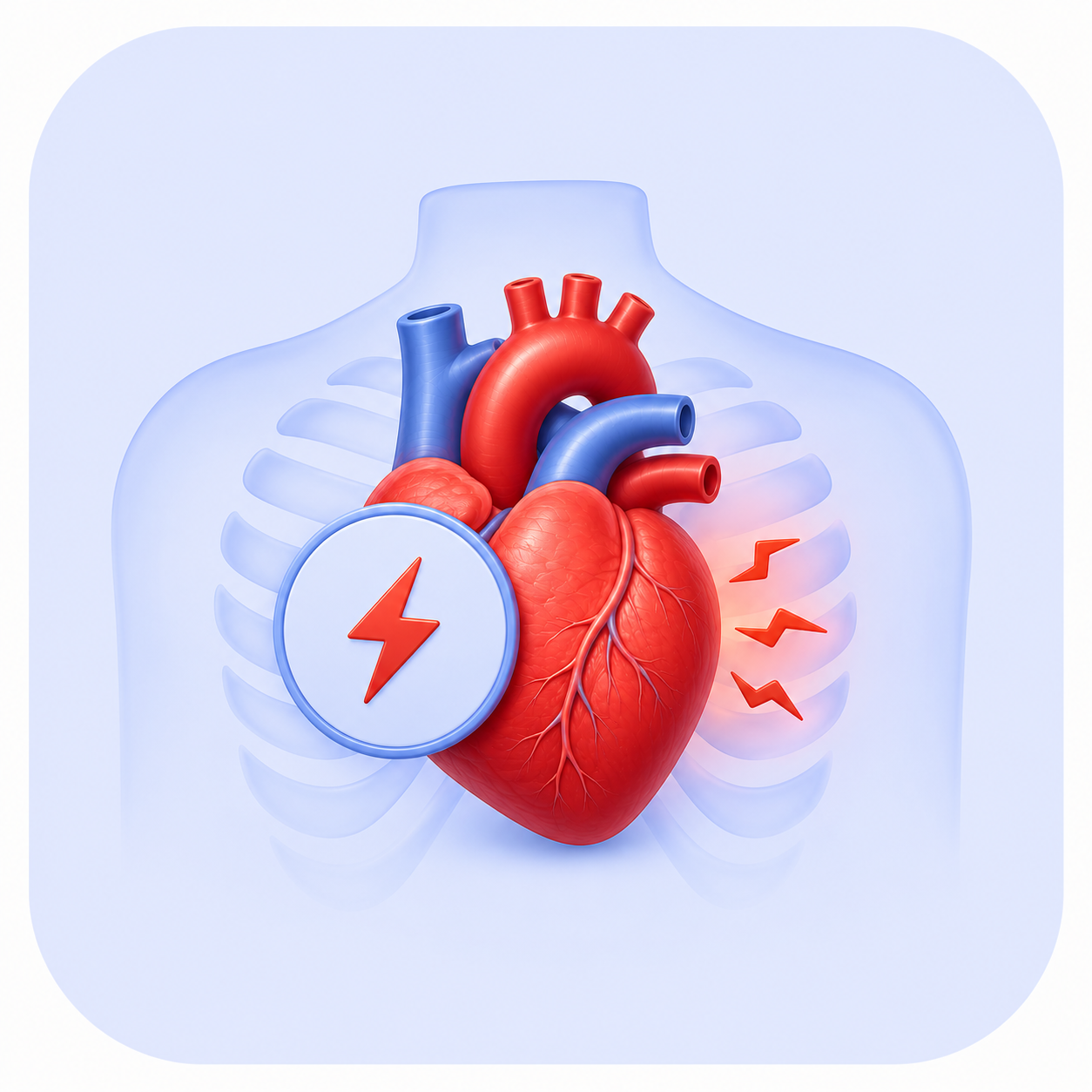
Chest tightness, pressure, or pain — especially with exertion — needs urgent cardiac investigation to rule out life-threatening causes.
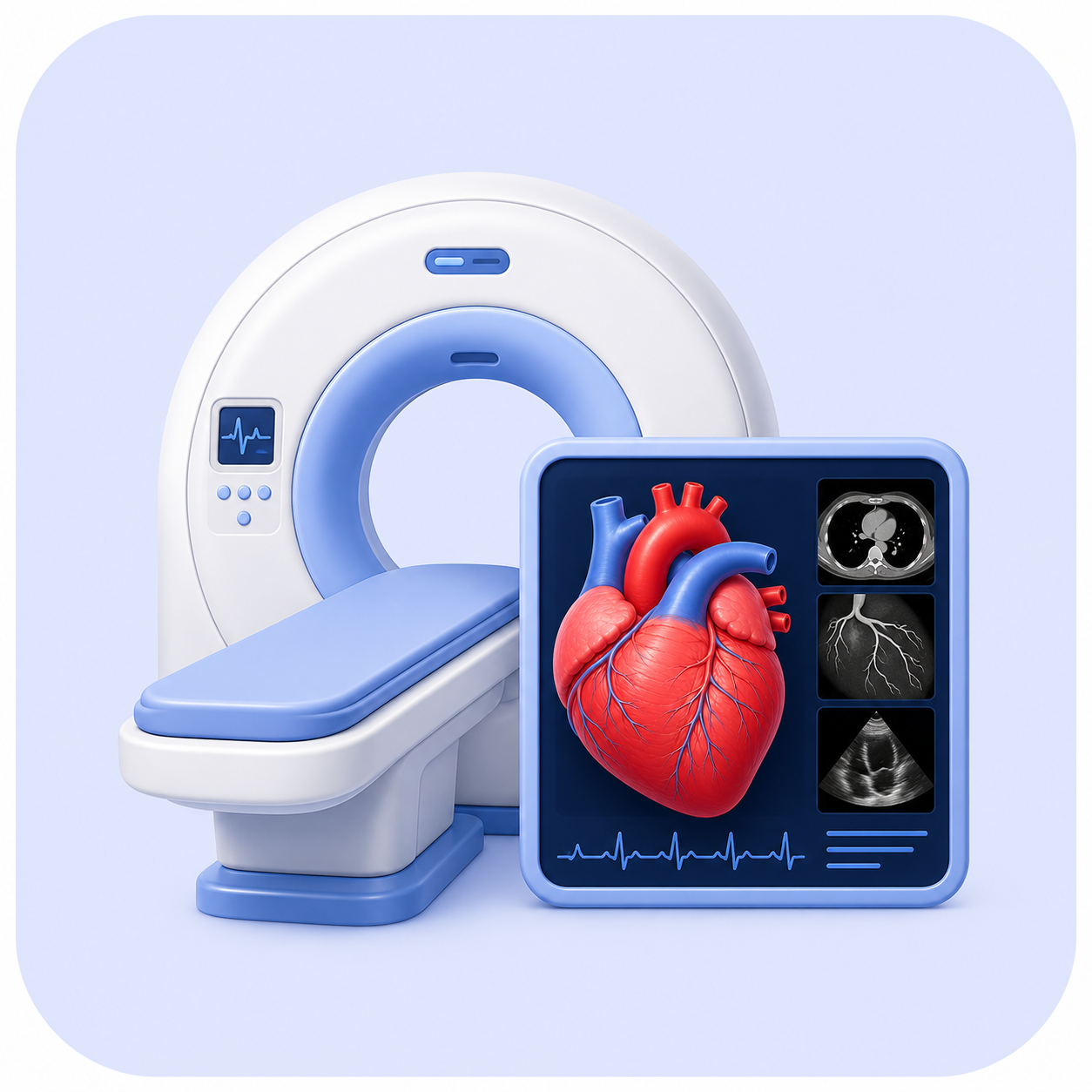
Using CT angiography, echocardiography, and AI-assisted diagnostics to detect heart disease early — before symptoms become serious.
What Dr. Chen Does —
Explained Simply
Most of Dr. Chen's procedures are minimally invasive — no large incisions, shorter hospital stay, faster recovery, and less time away from your family.
What is it?
An X-ray imaging test letting Dr. Chen see inside your heart's arteries. A thin tube (catheter) is guided through your wrist or groin up to the heart, and dye is injected to highlight any blockages on screen.
Who needs it?
Patients with unexplained chest pain, suspected coronary artery disease, or those being evaluated before treatment. It is the gold standard for assessing heart artery health.
What is it?
PCI uses a tiny balloon to reopen a blocked heart artery and restore blood flow. A small mesh stent is then placed to keep the artery permanently open. Some stents slowly release medication to prevent future blockages.
Who needs it?
Patients with significant blockages found on angiography, or those requiring urgent treatment after a heart attack. PCI can be life-saving when performed quickly.
What is it?
An ultrasound probe guided inside the coronary artery giving Dr. Chen a detailed inside view of the artery walls — far beyond what X-ray shows. This ensures stents are placed with exceptional precision.
Who needs it?
Patients with complex or multi-vessel blockages where maximum accuracy is critical. IVUS ensures stents are correctly sized and fully deployed — reducing risk of future complications.
What is it?
TAVI replaces a diseased aortic heart valve without open-heart surgery. A collapsible replacement valve is delivered through a catheter — similar to placing a stent. Once expanded, it immediately takes over regulating blood flow.
Who needs it?
Patients with severe aortic stenosis — where the aortic valve becomes dangerously stiff and narrow — especially those who cannot safely undergo traditional open-heart surgery.
What is it?
MitraClip treats mitral regurgitation — where the mitral valve doesn't close tightly, causing blood to leak backward. A tiny clip is guided through a groin vein to clasp the valve leaflets together and restore proper blood flow.
Who needs it?
Patients with significant mitral regurgitation causing breathlessness and fatigue, particularly those not suitable for open-heart valve surgery.
What is it?
Closes a hole between the heart's upper chambers (ASD) using a catheter-delivered disc-shaped device guided through a groin vein and expanded across the opening — no chest surgery needed.
Who needs it?
Patients diagnosed with ASD experiencing breathlessness, palpitations, or at increased risk of stroke or heart failure if the hole is left untreated.
What is it?
Uses sound waves to produce a live image of your heart — showing size, shape, pumping strength, and valve function. Dr. Chen performs both Transthoracic Echo (TTE) on the chest, and Transoesophageal Echo (TOE) for greater detail.
Who needs it?
Anyone needing a detailed heart function assessment — particularly before or after a procedure, or when other tests have identified a concern.
What is it?
A non-invasive CT scan producing detailed 3D images of the coronary arteries and heart anatomy. Detects blockages and structural problems without a catheter. Also used by Dr. Chen for pre-procedure planning including TAVI protocols.
Who needs it?
Patients at intermediate risk of heart disease, those needing pre-procedure planning, or anyone wanting a comprehensive heart health screen before symptoms worsen.
Recognised Internationally
Awarded for excellence in cardiology research and clinical innovation across Malaysia and the Asia-Pacific region.
International Research Publications
Dr. Chen is a published author in internationally peer-reviewed journals with research spanning artificial intelligence applications in cardiology and interventional cardiology outcomes — pushing the boundaries of modern cardiac care and raising standards across the region.
Schedule Your Appointment
Dr. Chen sees patients at the Health Screening Centre of Northern Heart Hospital, Penang. A scheduled appointment is recommended to minimise your waiting time.
MD (FMSMU) · MRCP (UK)
Fellowship in Cardiology (MOH)
Fellowship in Structural Heart Disease Intervention (Mahidol)
Your heart health cannot wait.
Don't ignore symptoms like chest pain, breathlessness, or unexplained fatigue. A consultation with Dr. Chen could be the most important appointment you make this year.